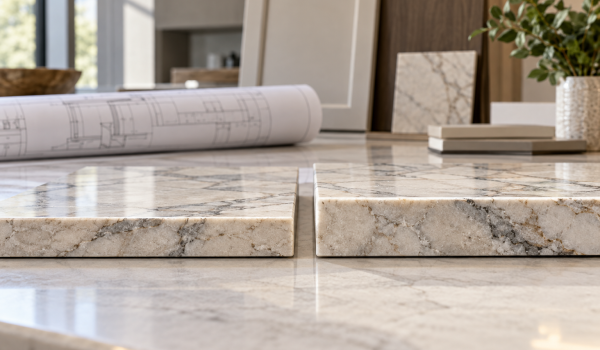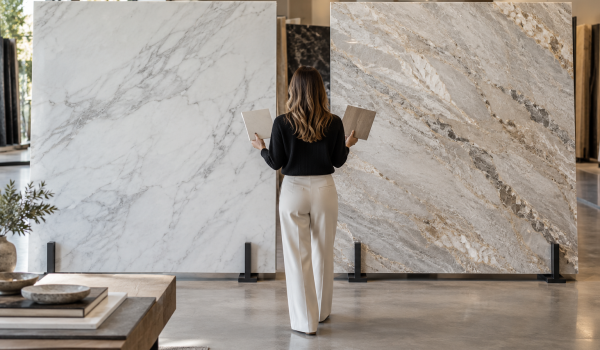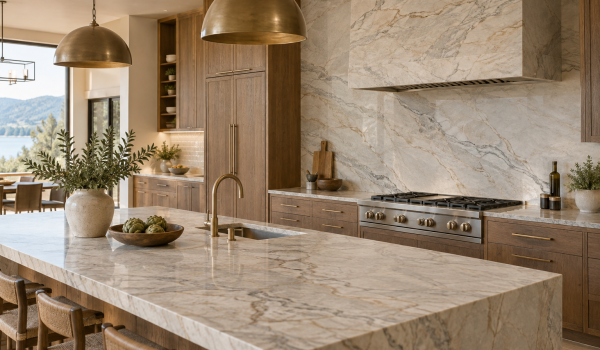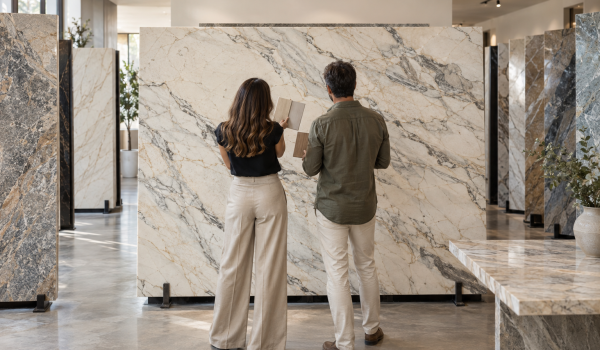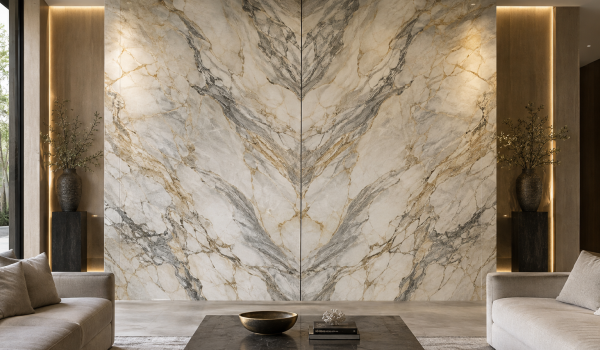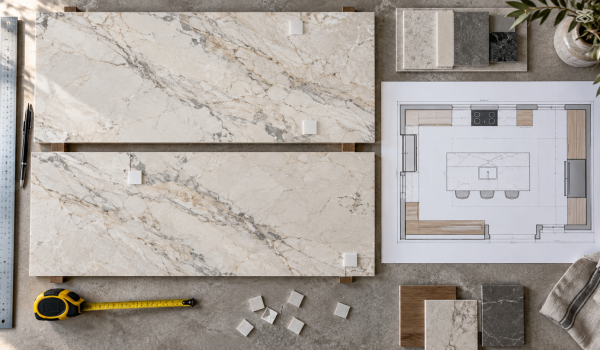

When planning a kitchen or bathroom renovation, many homeowners ask: which is more cost-effective, quartz or granite? Both are popular choices, both are durable, and both bring beauty to any home—but they differ in important ways. At Terra Stone, a trusted natural stone provider in the Chicago area, we carry a premium selection of granite slabs and can guide you in comparing them to engineered quartz. Here’s how the two materials stack up.
Granite: Natural, Unique, Timeless
Granite is a natural stone quarried directly from the earth, cut into slabs, and polished for use in kitchens and bathrooms. Each piece of granite is unique, with colors and veining that cannot be replicated. Pricing for granite varies depending on rarity, color, and demand.
- Cost: Can range from affordable to premium, depending on the stone’s rarity and source.
- Durability: Heat resistant and highly durable with proper care.
- Maintenance: Requires periodic sealing but offers a lifetime of performance.
- Value: Granite is considered a luxury feature that adds resale value to a home.
Bottom Line: Granite’s one-of-a-kind character makes it a top choice for homeowners who want a natural centerpiece. For more on value, see our post on how natural stone increases home value.
Quartz: Engineered, Consistent
Quartz countertops are engineered stone, made from crushed quartz crystals mixed with resin and pigments. This process gives quartz slabs a consistent color and pattern, making it easier to match across larger projects.
- Cost: Pricing tends to be more predictable and usually falls in the mid-to-high range.
- Durability: Resistant to stains and scratches, ideal for busy households.
- Maintenance: Non-porous and does not require sealing, making it easy to maintain.
- Value: Popular among modern homeowners for its sleek look and practicality.
Bottom Line: Quartz is a good option for those who want a low-maintenance surface with reliable performance and consistent design.

Long-Term Cost Considerations
When comparing cost-effectiveness, it’s important to look beyond the upfront price tag and consider maintenance, durability, and resale value.
- Granite – Known for its toughness and heat resistance, granite makes an excellent kitchen surface. With regular sealing and care, granite can last for decades and is a strong selling point for homes.
- Quartz – Quartz is also durable, with high resistance to scratching and staining. Its consistent crystalline structure gives it strength and makes it a versatile option for both kitchens and bathrooms.
Which Should You Choose?
If uniqueness and timeless character are most important, granite may be the better investment. Each slab is one-of-a-kind and adds natural luxury to your home.
If convenience, consistency, and low maintenance are top priorities, quartz may be more cost-effective in the long run. Its durability and ease of care make it a popular choice for modern kitchens and bathrooms.
Visit Terra Stone for Guidance
At Terra Stone, we specialize in premium granite slabs and can help you compare the benefits of granite to engineered quartz. Our Schiller Park, Illinois showroom is easily accessible to the Chicago area, and we ship nationally for homeowners, contractors, and designers across the U.S.
Visit us today to explore our hand-selected granite collection and learn which surface is the most cost-effective for your next project.