Choosing the right material for your countertops, flooring, or bathroom can feel overwhelming with so many options available. At Terra Stone, a leading natural stone provider in the Chicago area, we help homeowners, contractors, and designers understand the benefits of each surface type. Here’s a closer look at the key differences between natural stone, engineered stone, and porcelain, along with reasons why you might choose one for your next project.
Natural Stone
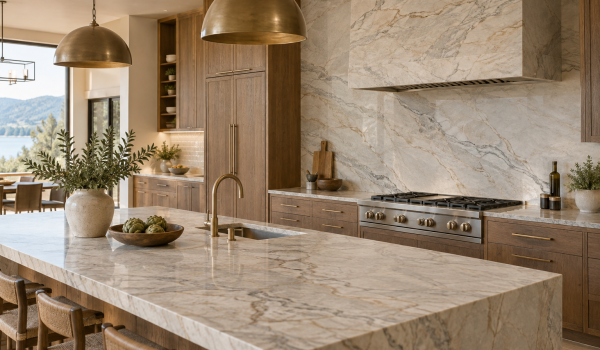
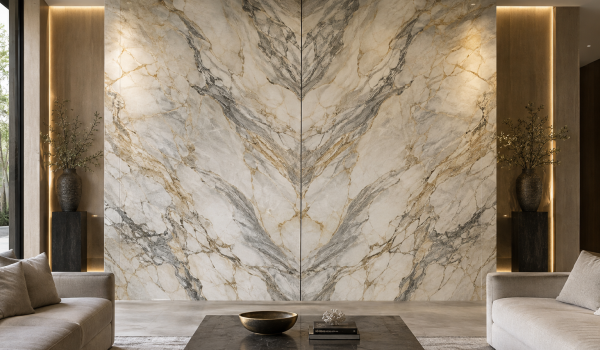
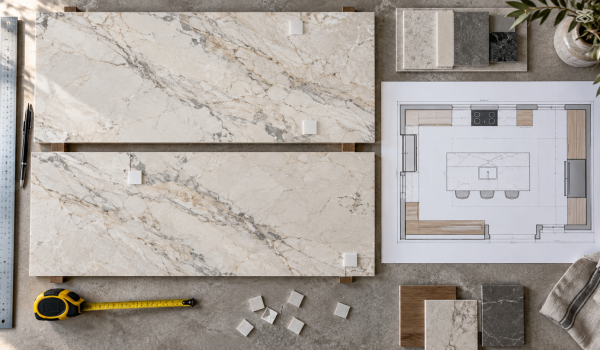
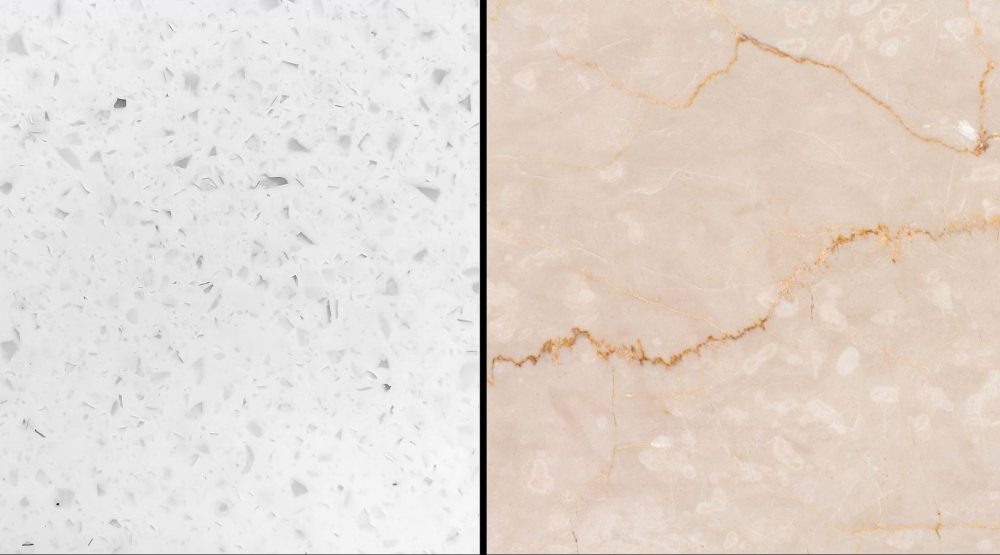
Natural stone, such as marble and quartzite, is prized for its one-of-a-kind beauty and authenticity. Each slab is unique, with veining, color variations, and textures that cannot be replicated. Natural stone brings a sense of luxury and craftsmanship that lasts for decades when cared for properly.
- Why Choose It? Perfect for those who value timeless elegance, unique patterns, and high-end design.
- Best Applications: Kitchen countertops, bathroom vanities, statement islands, flooring, and feature walls.
- Care: Requires sealing and gentle cleaning with pH-neutral products. Learn more in our blog on caring for marble and quartzite.
Natural stone also enhances property value significantly. Explore more in our post on how stone adds home value.
Engineered Stone
Engineered stone, often known as quartz surfaces, is a man-made product crafted from crushed stone and resins. Unlike natural stone, it offers a consistent appearance with predictable patterns and colors. This makes it an option for homeowners who want a uniform look.
- Why Choose It? Great for those who want durability with low maintenance.
- Best Applications: Kitchens and bathrooms
- Care: Minimal—just clean with soap and water.
While engineered stone doesn’t have the rarity of natural stone, its predictability and ease of upkeep make it a practical choice for many homes.
Porcelain
Porcelain slabs are one of the fastest-growing trends in modern kitchen and bath design. Made by firing refined clay at extremely high temperatures, porcelain is thin, lightweight, and incredibly durable. It can be designed to mimic natural stone, wood, or concrete finishes.
- Why Choose It? Excellent for both indoor and outdoor applications thanks to its UV, heat, and stain resistance. Non-porous, so no sealing is required.
- Best Applications: Countertops, backsplashes, shower walls, outdoor kitchens, and even fireplace surrounds.
- Care: Simple—just wipe with mild soap and water. Learn more in our blog on the benefits of porcelain slabs.
Designers love porcelain for its flexibility in finishes and formats. Explore more on this in our post about cleaning and maintaining porcelain.
Making the Right Choice
Each surface has its own strengths:
- Natural stone – Best for uniqueness, luxury, and timeless value.
- Engineered stone – Ideal for consistency and low-maintenance lifestyles.
- Porcelain – Perfect for modern, versatile, and highly durable applications.
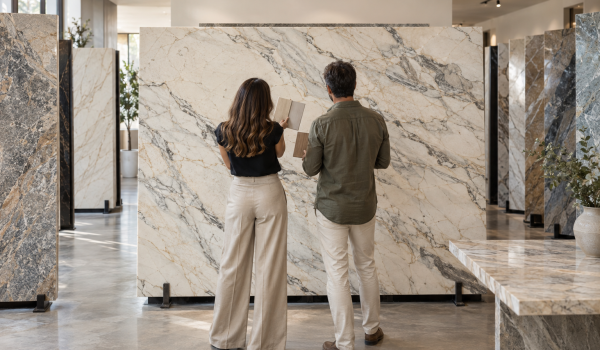
At Terra Stone, our showroom in Schiller Park, Illinois, showcases premium options in all three categories, allowing you to compare them side by side. Visit us in the Chicago area or explore our nationwide shipping options to find the perfect surface for your next kitchen, bath, or design project.